Updated October 3, 2026
Best Time to Visit Iceland
June and September are the best all-round months for most travelers. Choose June for easy driving and long days, or September for darker nights, lighter crowds, and a chance of the Northern Lights.
Compare all 12 months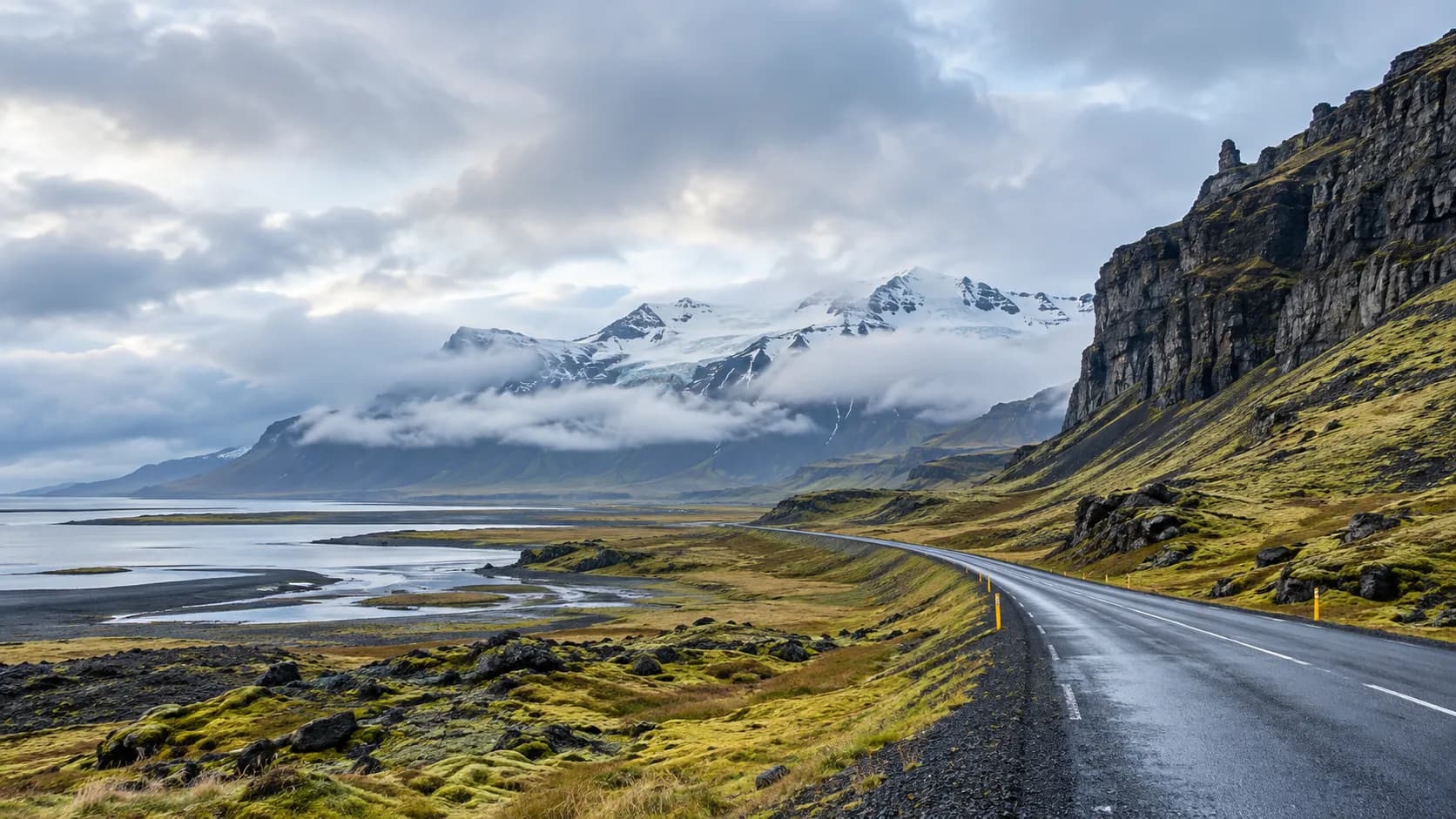
Best time
June offers long daylight, mild conditions, open main roads, and more reliable access for a first Iceland road trip.
Also great
September suits travelers who want fewer crowds, lower shoulder-season prices, autumn color, and dark enough skies for aurora watching.
Watch out for
July and August are busiest and most expensive, while November through March require flexible plans for wind, ice, short days, and road closures.
Explore Iceland by Region
National averages hide real differences in road access, daylight, and seasonal services. Select a region on the map to see when it works best, how crowds shift through the year, and what changes when you time a trip around it.
Boundaries: National Land Survey of Iceland municipal data via geoBoundaries (CC BY 4.0), regrouped into six travel macro-regions. Crowd levels are SeasonCompass editorial assessments consistent with the monthly ratings in the table below.
Explore six regions
Hover or tap the map — or use the list — to see what each part of Iceland offers and when to go. Regional timing shifts with roads, daylight, and seasonal services.
Crowd levels shown per region are SeasonCompass editorial assessments, consistent with the monthly ratings in the table below.
Iceland month by month
Temperatures and rainfall use Reykjavík as a consistent planning baseline, not a forecast for the whole country. The south is generally wetter, the north can be drier, and high ground is colder. Crowd, price, and rating fields are editorial planning bands rather than official statistics.
| Month | Avg high / low | Rainfall | Daylight | Crowds | Prices | Our rating |
|---|---|---|---|---|---|---|
| January | 38°F / 29°F 3°C / -2°C | 94 mm | 5.5 hrs | Low | $$ | 3/5 |
| February | 38°F / 29°F 3°C / -2°C | 99 mm | 8.5 hrs | Low | $$ | 3/5 |
| March | 40°F / 30°F 4°C / -1°C | 95 mm | 12 hrs | Moderate | $$ | 4/5 |
| April | 44°F / 34°F 7°C / 1°C | 65 mm | 15 hrs | Moderate | $$ | 4/5 |
| May | 50°F / 39°F 10°C / 4°C | 61 mm | 18.5 hrs | Moderate | $$$ | 4/5 |
| June | 55°F / 45°F 13°C / 7°C | 50 mm | 21 hrs | High | $$$ | 5/5 |
| July | 59°F / 48°F 15°C / 9°C | 57 mm | 19.5 hrs | Very High | $$$$ | 4/5 |
| August | 57°F / 47°F 14°C / 9°C | 76 mm | 16.5 hrs | Very High | $$$$ | 4/5 |
| September | 53°F / 43°F 11°C / 6°C | 91 mm | 13 hrs | Moderate | $$$ | 5/5 |
| October | 46°F / 37°F 8°C / 3°C | 99 mm | 9.5 hrs | Low | $$ | 3/5 |
| November | 40°F / 32°F 5°C / 0°C | 91 mm | 6.5 hrs | Low | $$ | 3/5 |
| December | 38°F / 29°F 3°C / -2°C | 98 mm | 4.5 hrs | Moderate | $$$ | 3/5 |
Daylight is a rounded mid-month estimate for Reykjavík. Always check a short-range forecast and live road conditions before driving.
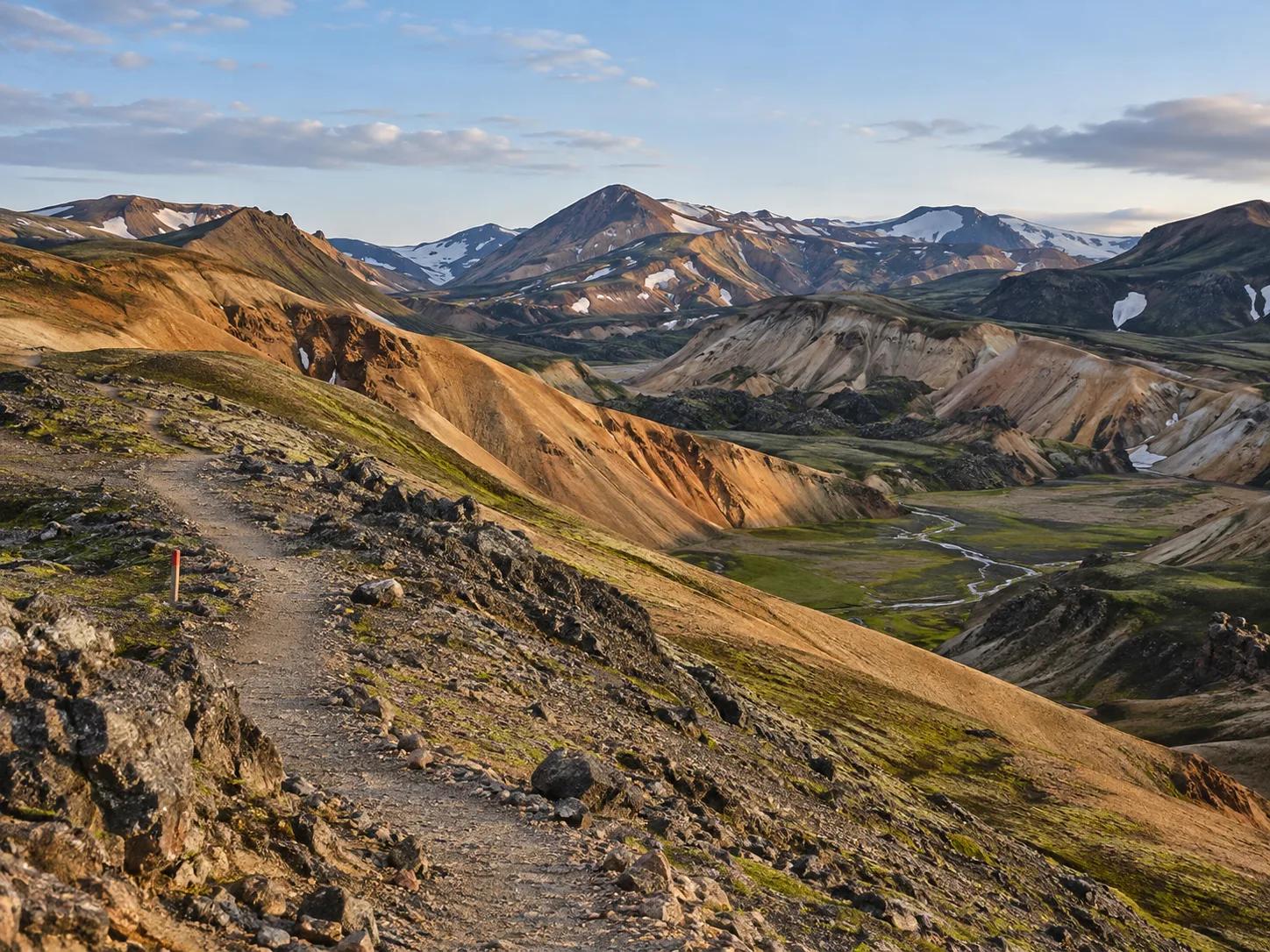
Highland routes have a short opening window and require a live road check.
April to May
Iceland in Spring
Spring is a transition rather than a fixed promise. April can still bring snow, ice, and strong wind, especially outside Reykjavík and along exposed passes. By May, average highs in Reykjavík reach about 50°F (10°C), daylight stretches beyond 18 hours, and lowland roads are usually easier. The landscape begins to green, migratory birds return, and waterfalls carry more meltwater. You should still pack a waterproof shell, warm layers, gloves, and footwear that can handle mud or late snow.
May is the stronger choice for a flexible Ring Road trip because it balances long days with lower demand than midsummer. Some seasonal tours restart, but highland F-roads normally remain closed and a few remote hiking routes can be wet or snowbound. April retains dark enough evenings for possible aurora viewing early in the month, while May does not. Spring works best for travelers who can adjust a day plan around forecasts and who care more about space and value than guaranteed access to every mountain route.
June to August
Iceland in Summer
Summer gives Iceland its easiest overall travel conditions. June has about 21 hours between sunrise and sunset around mid-month in Reykjavík, and the sky stays bright through the short night. July is the mildest month, with average Reykjavík highs close to 59°F (15°C). Main roads are generally clear, tours run at full frequency, and the long light gives drivers more margin to stop without finishing in darkness. The trade-off is demand: rental cars, popular campsites, and accommodation on the South Coast can sell out, particularly in July and August.
Highland access is a separate question from Ring Road access. F-roads open only after snowmelt and inspections, often from late June onward, and opening dates vary by road and year. A legal, suitable 4x4 is required on F-roads. Even in summer, wind and cold rain can change plans, so daily weather and road checks remain essential. Choose June for maximum daylight and slightly lighter crowds, July for the best chance of mild weather, or late August for darker evenings and the first possible aurora sightings. Summer is best for first visits, hiking, camping, and broad road-trip itineraries.
Before any highland drive, confirm that the exact road is open and that your rental agreement permits it.
September to October
Iceland in Fall
September is Iceland's most useful compromise month. Reykjavík still averages about 53°F (11°C) by day, there is roughly 13 hours of daylight around mid-month, and nights become dark enough for Northern Lights viewing when skies clear. Visitor numbers drop after the main summer rush, though well-known South Coast stops remain busy. Most lowland itineraries are still practical, but the first snow or storm can affect northern passes and highland access. Check conditions every day rather than assuming a route will remain open because it was clear the previous week.
October is more winter-like. Daylight falls to roughly 9.5 hours around mid-month, precipitation increases, and wind can make modest temperatures feel much colder. The upside is lower demand, better darkness for aurora trips, and more room at major sights. The downside is reduced tour schedules and a higher chance that a driving day needs to be shortened or replaced. Fall is ideal for photographers and repeat visitors willing to trade certainty for changing light and quieter landscapes. For a first self-drive, September is considerably easier than late October.
November to March
Iceland in Winter
Winter is best treated as a focused trip rather than a maximal road-trip season. From September to April, dark nights make aurora viewing possible, with the longest viewing windows in midwinter. December has only about 4.5 hours between sunrise and sunset around mid-month in Reykjavík. Snow, freezing rain, wind, and sudden closures can alter routes quickly. The Ring Road is maintained, but maintained does not mean continuously easy, and rental-car rules or your own winter-driving experience should guide how far you plan to go.
Base yourself in Reykjavík or one region, keep spare time in the itinerary, and avoid locking every day to a distant attraction. Ice caves and winter tours add seasonal value, while highland roads are closed to normal traffic and many long hikes are unsuitable. February and March offer a better balance of increasing daylight and continued aurora darkness than December. Prices outside Christmas and New Year can be lower than summer, but weather cancellations can add cost. Winter suits aurora-focused travelers, city breaks, and guided itineraries. It is a poor match for anyone who needs a fixed, fast lap of the island.
Planning a dark-season trip? Compare every month in our Iceland Northern Lights guide, including cloud cover, night temperatures, viewing regions, and forecast sources.
Where timing changes
Iceland's national average hides meaningful differences in roads, weather exposure, and seasonal services.
Reykjavík
Best time: May to September
The capital works year-round and has the country's deepest choice of indoor alternatives. Use it as a flexible base in winter, or as the start and finish of a longer summer trip.
South Coast
Best time: May to September
Waterfalls, black-sand beaches, and glacier tours are accessible in most seasons, but exposed roads and surf hazards demand extra caution during winter storms.
North Iceland and Akureyri
Best time: June to September
The north can be calmer and drier than the southwest, but mountain passes hold winter conditions longer. Summer supports whale watching, hiking, and a fuller driving circuit.
Westfjords
Best time: June to August
Long distances, gravel roads, steep passes, and limited services make summer the practical window. Shoulder-season snow can reduce access earlier than on the South Coast.
Common questions
What is the best month to visit Iceland?
June is the best month for most first-time visitors because it combines long daylight, relatively mild weather, and easy access to the Ring Road. September is the better choice if you prefer fewer crowds and want a chance to see the Northern Lights.
What month has the best weather in Iceland?
July has Iceland's mildest average temperatures, with Reykjavík average highs near 59°F (15°C). It is still possible to encounter cold rain and strong wind, so good weather should mean manageable conditions rather than guaranteed sunshine.
What is the cheapest month to visit Iceland?
November through March, outside Christmas and New Year, often brings lower accommodation and rental demand. Savings come with short daylight, harder driving, and a greater chance of weather disruption.
When can you see the Northern Lights in Iceland?
The practical aurora season runs from September to April, when nights become properly dark. Clear sky, solar activity, and distance from bright city lights matter, so no month can guarantee a sighting.
Is October a good time to visit Iceland?
October is good for lower crowds, lower shoulder-season prices, and dark aurora nights. It is less reliable for long self-drive itineraries because daylight is shrinking and wind, rain, snow, or road closures can change plans.
How many days do you need in Iceland?
Allow 4 to 5 days for Reykjavík, the Golden Circle, and part of the South Coast. A realistic Ring Road trip needs at least 8 to 10 days in summer and more buffer in shoulder seasons.
When is Iceland least crowded?
November, January, February, and early spring are generally quietest away from holiday periods. September and May are better compromises if you want fewer visitors without the deepest winter constraints.
Sources & methodology
Climate figures use 1991-2020 normals for Reykjavík and are rounded to avoid false precision. They describe a baseline, not conditions at every Icelandic location. Editorial crowd, price, and rating bands combine seasonality, access, and typical demand. Last updated October 3, 2026.
- WMO and NOAA NCEI 1991-2020 Climate Normals
Reykjavík station monthly average daily maximum, minimum, and precipitation baseline.
- Icelandic Meteorological Office
National climate context, regional variability, and seasonal precipitation patterns.
- Visit Iceland
Aurora season, visibility conditions, and seasonal travel context.
- Icelandic Road and Coastal Administration
Road condition and closure guidance, including the need for live checks.
- Environment Agency of Iceland
Highland access, rapidly changing conditions, and traveler safety advice.
- Timeanddate Reykjavík Sun Calculator
Representative mid-month daylight duration, rounded to the nearest half hour.